

Ventura County · 24/7
Commercial Water Damage
Restoration planning around business operations for homes and businesses.
Your business.A phased plan.Clear progress.
What to expect
- Phased work zones
- After-hours coordination
- Large-loss equipment planning
- Asset and stock protection
Common causes
- Fire-suppression discharge
- Restroom and drain backups
- Roof intrusion
- Mechanical-system leaks
Response & availability
24/7Our emergency line is open day and night. Call for current arrival guidance.
Serving 7 local communities(805) 832-0194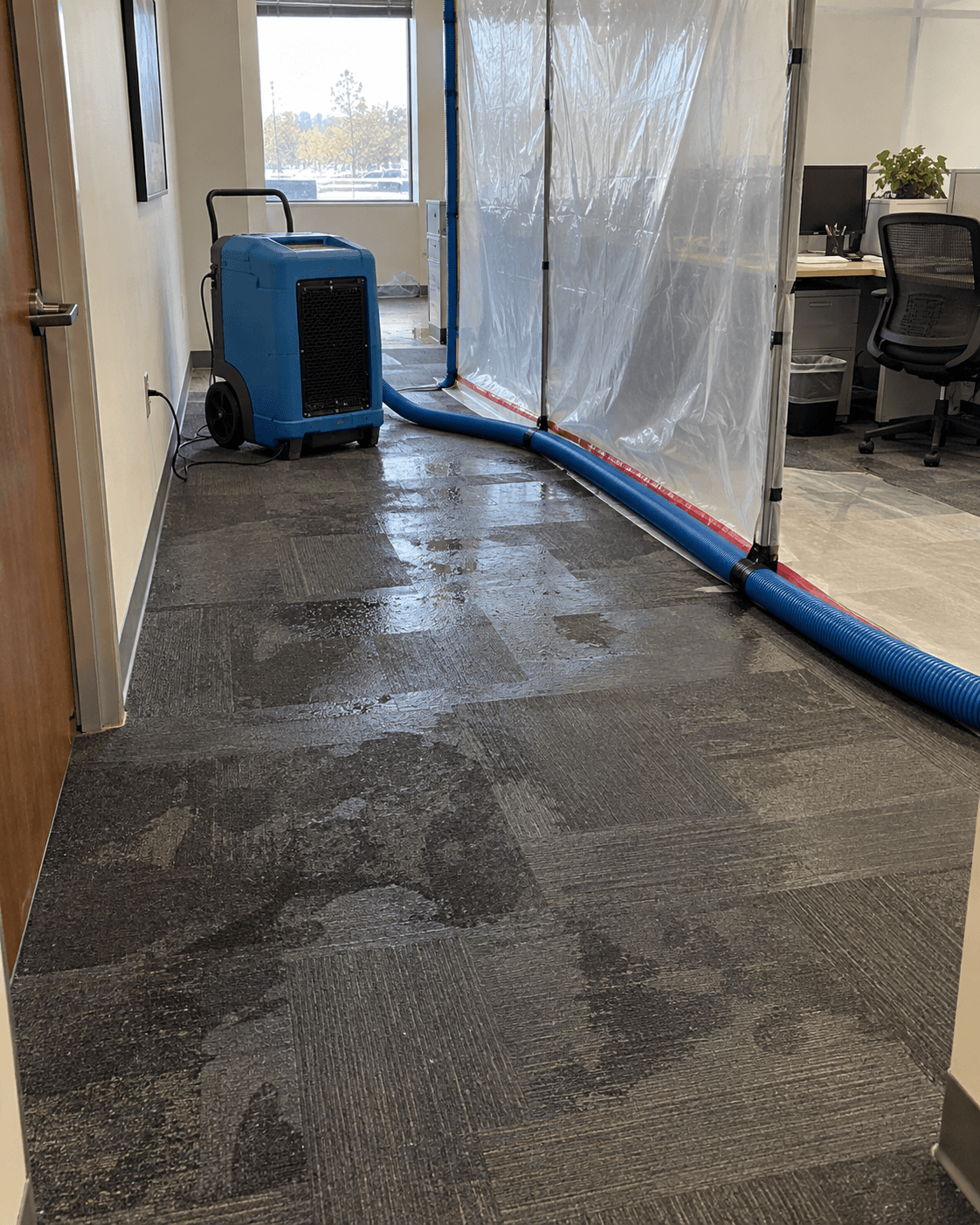
Complete commercial lossessolutions.
We explain the scope before work begins and keep you informed through every stage.
Phased work zones
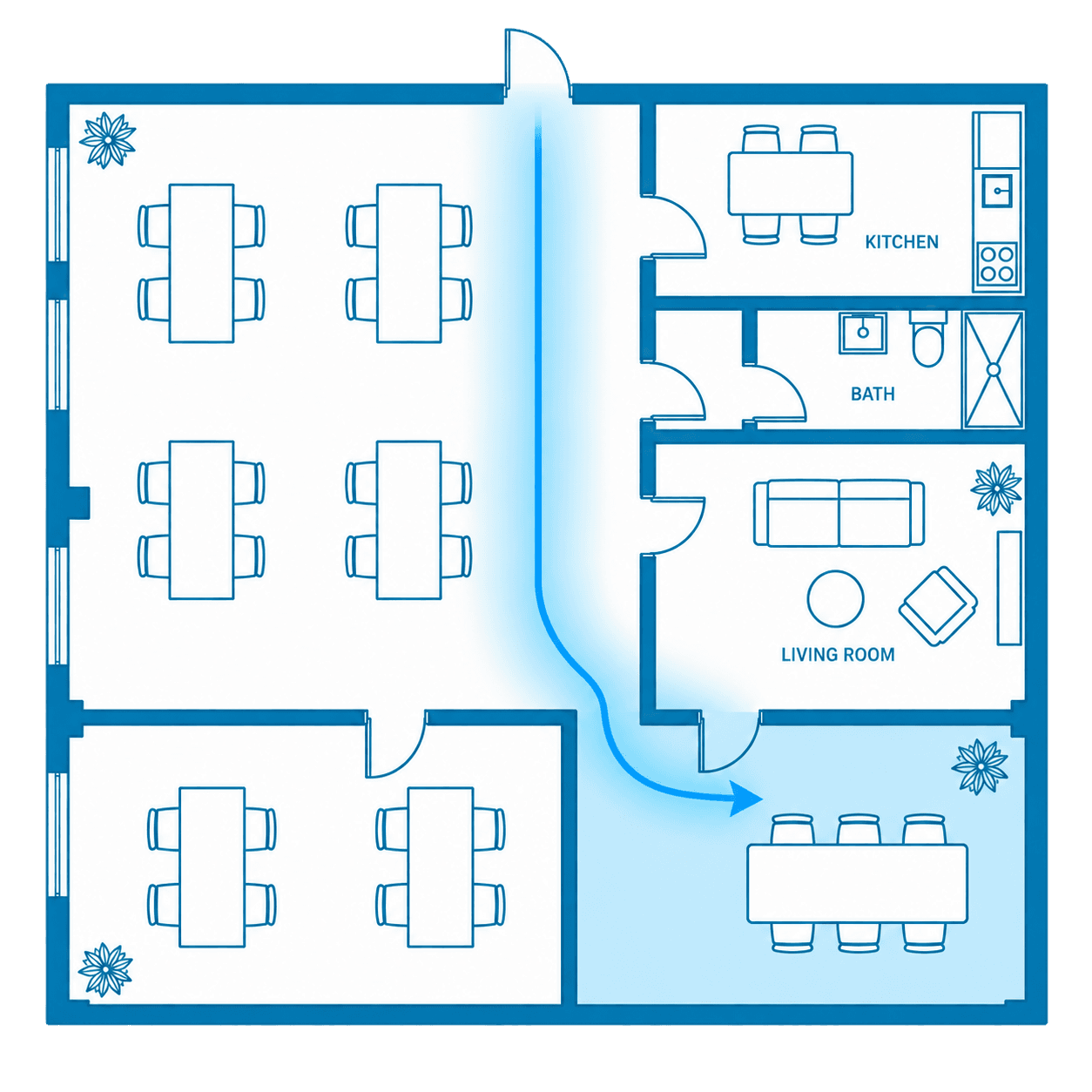
Separate restoration work zones from occupied areas to accommodate ongoing business activity safely.
After-hours coordination
Schedule disruptive restoration work around business operating hours where practical for the property.
Large-loss equipment planning
Plan equipment capacity, power access, and hose routes across the affected commercial work areas.
Asset and stock protection
Move or cover stock, equipment, and furnishings near affected areas before restoration progresses.
Tenant communication
Share planned work schedules and access restrictions with the site contact to inform occupants.
Stakeholder documentation
Keep agreed project contacts informed with documented findings, measured progress, and planned next steps.
We zone the building, contain the loss,and keep you trading.
Recovery planned. Disruption managed.
Most commercial losses are managed around a business that cannot close, so zones, hours and access are agreed before equipment arrives.
Recorded checks give your facilities team a clearer view of drying progress, access restrictions, and handover decisions.
Learn about our process
Documented checks guide the next step.
Work zones
AgreedInitial checkAccess planned with your facilities team
Drying progress
RecordedProgress checkReadings tracked within affected areas
Area handover
CoordinatedFinal checkReopening follows checks and agreed scope
Phased so the doors stay open.
Five stages, each with what is still trading while it happens. Closing the whole site is faster to dry, but it is rarely the cheaper option.
Call us
Tell us what is wet and, more importantly, what has to keep operating.
Day or nightZone the building
Open, restricted and closed areas are agreed with facilities and marked up before equipment lands.
On arrivalContain and extract
Barriers and negative air seal the closed zone so the rest of the floor stays usable.
First visitDry around operations
Noisy and obstructive stages run out of hours, so daytime trading is not the thing that gives way.
Days 3 to 7Hand back in stages
Each zone reopens as it reaches target rather than waiting on the slowest room, with the record going to the carrier as it goes.
RollingCall before the damage spreads farther.
- Most calls answered live
- Insurance assistance
- Local restoration crews
Before the work begins
That depends on safety, the affected area, and the work required. Where practical, the plan can divide the property into controlled zones to reduce disruption.